
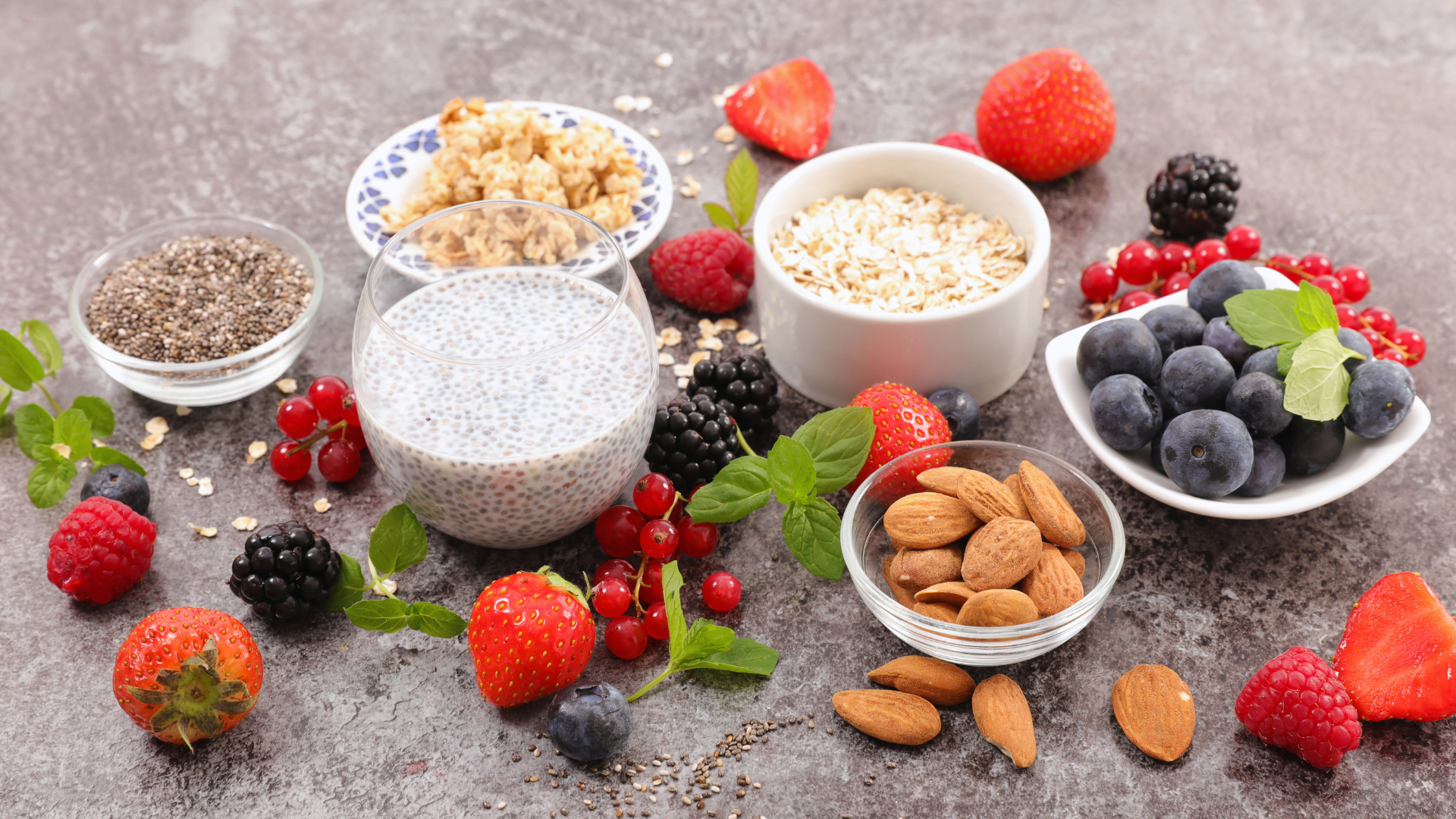
In today’s fast-paced world, individuals often seek simple yet effective ways to enhance their health. Every day, superfoods like leafy greens, berries, and nuts can play a significant role in supporting overall wellness. These nutritional powerhouses are accessible and can readily be incorporated into daily meals, making it easier for anyone to boost their health.
Research consistently highlights the benefits of these superfoods, known for their high concentrations of vitamins, minerals, and antioxidants. From improved digestion to enhanced energy levels, including these foods in one’s diet can lead to substantial health benefits.
Exploring how to utilize these superfoods effectively can empower individuals to take charge of their wellness journey. Whether aiming for better energy or increased immunity, incorporating these foods provides a straightforward approach to achieving lasting health improvements.
Core Nutrients and Health Benefits of Everyday Superfoods
Every day, superfoods are rich in essential nutrients that contribute to a balanced diet and support various aspects of health and wellness. These include antioxidants, vitamins, minerals, and proteins, each playing a vital role in promoting longevity and reducing the risk of chronic diseases.
Antioxidants and Disease Prevention
Antioxidants are compounds that help neutralize free radicals, reducing oxidative stress in the body. Common antioxidants found in superfoods include vitamin C, vitamin E, and various phytonutrients such as flavonoids and carotenoids.
Consuming foods rich in antioxidants is linked to a lower risk of chronic diseases, including heart disease and cancer. Foods like berries, dark chocolate, and green tea provide powerful antioxidant support. By incorporating these foods into daily diets, individuals can enhance their immune system and promote skin health.
Essential Vitamins, Minerals, and Nutrients
Vitamins and minerals are crucial for maintaining health and preventing deficiencies. Superfoods such as spinach, kale, and sweet potatoes are rich in vitamins A, C, K, and a wide array of B vitamins.
Minerals like magnesium, potassium, and iron are essential for various bodily functions. These nutrients contribute to energy production, muscle function, and bone health. Including diverse superfoods in meals ensures an adequate intake of these essential nutrients, supporting optimum health and wellness.
Protein and Amino Acids
Protein is vital for building and repairing tissues, making it a crucial component of a balanced diet. Superfoods such as quinoa, legumes, and nuts provide high-quality protein along with essential amino acids.
These amino acids play a significant role in muscle synthesis and overall metabolic function. Incorporating protein-rich superfoods can help sustain energy levels, support weight management, and promote healthy digestion. A varied diet with these superfoods can optimize protein intake while enriching overall nutritional value.
Top Everyday Superfoods for Overall Wellness
Incorporating specific superfoods into daily diets can greatly enhance wellness. These foods are rich in essential nutrients that support various bodily functions, promote heart health, and strengthen the immune system.
Berries and Their Antioxidant Power
Berries, such as blueberries, strawberries, and raspberries, offer potent antioxidant properties. These small fruits are high in vitamin C, which helps combat oxidative stress.
- Blueberries particularly stand out with their high levels of anthocyanins, linked to improved brain health.
- Strawberries provide folate and potassium, essential for cardiovascular health.
Incorporating a variety of berries into meals can boost fiber intake and enhance overall nutrition. They can be easily added to smoothies, salads, and yogurt.
Leafy Greens and Cruciferous Vegetables
Leafy greens like spinach and kale are packed with essential vitamins and minerals. They provide a rich source of vitamins A, C, and K.
- Spinach is particularly high in iron and folate, supporting blood health and energy levels.
- Kale contains compounds linked to anti-inflammatory properties and heart health.
Cruciferous vegetables like broccoli and Brussels sprouts are also worth including. They provide fiber, support digestive health, and are excellent sources of vitamin K.
Whole Grains, Seeds, and Legumes
Whole grains like quinoa and oats are nutrient-dense and offer complete protein. They are a great source of fiber, which aids digestion and helps regulate blood sugar levels.
- Quinoa is also high in magnesium and iron, making it a great choice for those needing more nutrients.
- Chia seeds are rich in omega-3 fatty acids and provide a significant amount of fiber.
Legumes, such as lentils, are packed with protein and iron. They serve as an excellent meat alternative and contribute to daily fiber intake.
Nutrient-Rich Fish and Dairy
Fatty fish like salmon are a source of essential nutrients, including omega-3 fatty acids. These healthy fats are vital for heart and brain health.
- Salmon is also rich in vitamin D and calcium, which support bone health.
- Including fish in the diet twice a week is recommended for optimal benefits.
Greek yogurt and other dairy products offer probiotics, which promote gut health. They are also high in calcium and protein, making them ideal for maintaining strong bones and muscles.
Wellness Benefits: How Superfoods Support Health
Superfoods offer a range of benefits that contribute to better health by supporting heart function, enhancing immune responses, and promoting brain health. These foods are nutrient-dense and can play a crucial role in managing various health conditions.
Heart Health and Cholesterol Management
Superfoods such as oats, fatty fish, and berries have been linked to improved heart health. They help lower cholesterol levels and reduce inflammation.
Omega-3 fatty acids found in fish can decrease blood pressure and triglycerides.
Additionally, fiber-rich foods like oats help to manage cholesterol levels by binding to bile acids and promoting their excretion. Consuming these superfoods may lead to a lower risk of heart disease and related chronic conditions.
Immune Function and Disease Protection
Certain superfoods are effective at enhancing immune function. Foods high in antioxidants, like berries and leafy greens, combat oxidative stress. This can mitigate the risks of various diseases, including cancer.
High vitamin C foods, such as citrus fruits, support the immune system, helping to ward off infections. Additionally, superfoods high in anti-inflammatory properties may reduce chronic inflammation, which has been linked to autoimmune diseases and other health issues.
Brain Health, Energy, and Weight Management
Superfoods positively influence brain function and energy levels. Foods rich in omega-3 fatty acids, such as walnuts and flaxseeds, support cognitive health and may prevent neurodegenerative diseases.
In terms of energy, complex carbohydrates found in quinoa and brown rice provide sustained energy without rapid spikes in blood sugar levels. Moreover, nutrient-dense superfoods can aid in weight management by promoting satiety and boosting metabolism. This helps individuals achieve and maintain a healthy weight more easily.
Incorporating Superfoods Into a Balanced Lifestyle
Integrating superfoods into daily routines can enhance nutrition and support various aspects of health. Focusing on specific ingredients can create a more balanced diet, encouraging healthier eating habits.
Building a Healthy Diet With Superfoods
A healthy diet benefits from the inclusion of superfoods, which are nutrient-dense options that promote wellness. The Mediterranean diet, known for its emphasis on whole grains, healthy fats, and colorful fruits and vegetables, aligns with this concept.
Key superfoods include:
- Avocados: Rich in healthy fats and potassium.
- Eggs: Full of protein and essential vitamins.
- Olive oil: A staple in heart-healthy diets.
Incorporating soluble fiber sources, like oats, can improve gut health and provide sustained energy. Foods rich in beta-glucan, such as certain whole grains, also support heart health.
Easy Meal and Snack Ideas
Incorporating superfoods can be simple. Meal planning helps streamline this process.
- Smoothie: Combine spinach, banana, and almond milk for a nutritious drink.
- Snack Options: Pair dark chocolate with nuts for a satisfying treat.
Other ideas include:
- Avocado Toast: Top whole-grain bread with smashed avocado and herbs.
- Egg Muffins: Bake eggs with veggies for an easy grab-and-go option.
These snacks and meals are quick to prepare and offer substantial health benefits without compromising flavor.
Tips for Sustainable, Everyday Nutrition
Sustainability in nutrition is essential for long-term health. Focusing on variety helps prevent dietary boredom.
- Seasonal Produce: Opt for fruits and vegetables that are in season for freshness and flavor.
- Planning: Create a weekly menu that includes superfoods.
It’s also vital to practice mindful eating. Paying attention to hunger cues and portion sizes can enhance satisfaction and prevent overeating.
Regularly using herbs and spices can enrich meals while providing health benefits, such as reducing inflammation and adding flavor without extra calories.